MS Dhoni – Legacy, Records & Captaincy in Indian Cricket
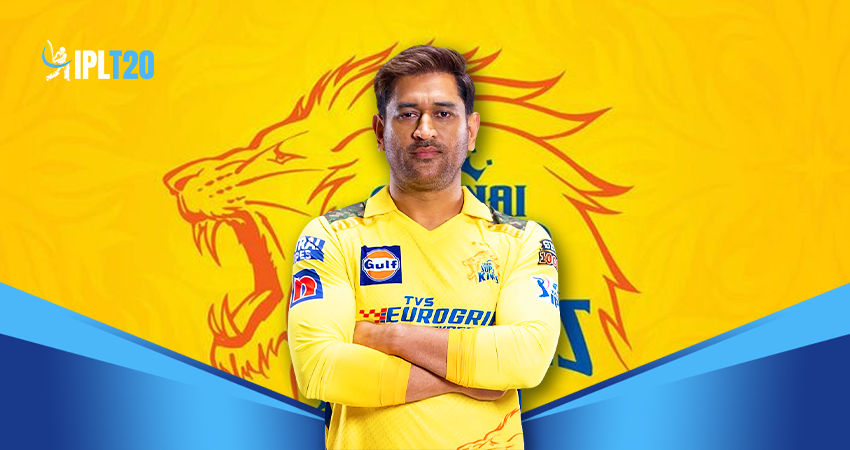
Many people consider Mahendra Singh Dhoni, better known by his nickname MS Dhoni, to be one of the most accomplished and significant cricket captains in the game's history. During his time as captain, Dhoni revolutionised Indian cricket with his cool-headedness under duress and his unorthodox but successful tactics. This article offers a thorough analysis of Dhoni's time as captain, emphasising his main tactics and significant accomplishments.
The Rise of a Leader
When MS Dhoni was named captain of the Indian squad for the first-ever ICC T20 World Cup in 2007, his career as a captain officially began. Under his direction, India defeated Pakistan in an exciting final to win the title. This triumph ushered in a new era of self-assurance, bravery, and strategic genius in Indian cricket.
Dhoni was appointed the ODI and Test captain after his performance in the shortest format, replacing Anil Kumble in the lengthier format. In limited-overs cricket, he served as captain from 2007 to 2016; in Test cricket, he served till 2014.
Key Strategies of MS Dhoni’s Captaincy
1. Backing Young Talent
Putting his trust in young, unproven players was one of Dhoni's signature tactics. Players like Suresh Raina, Ravindra Jadeja, Virat Kohli, and Rohit Sharma all received long runs from him. His conviction that youthful talent should be developed paid off, as a number of them went on to play significant roles in Indian cricket's success for more than ten years.
2. Cool Under Pressure
There's a reason Dhoni was dubbed "Captain Cool." His ability to maintain composure under duress frequently gave his teammates confidence. Dhoni's calm demeanour let the team to concentrate and carry out plans well, whether they were chasing a high total or defending a modest score.
3. Innovative Field Placements
When it comes to field placements, Dhoni was renowned for thinking creatively. He would frequently put fielders in unusual places to surprise batsmen. His fielding tactics were essential in severing alliances and applying pressure, especially in T20s and ODIs.
4. Effective Use of Part-Time Bowlers
Yuvraj Singh, Suresh Raina, and Virender Sehwag are examples of part-time bowlers that Dhoni regularly employed to break partnerships or control the run rate. He was able to efficiently rotate the key bowlers with this tactic, which frequently resulted in victories for India.
5. Finishing Games with the Bat
Dhoni was one of the best finishers in limited-overs cricket while he was batting. He was a deadly asset in close games because of his ability to calculate run chases and finish matches with composure and strength. Cricket history will never be the same after his six to end the 2011 World Cup final.
Major Milestones in MS Dhoni’s Captaincy Era
1. 2007 ICC T20 World Cup Win
Under Dhoni's leadership, India's victory in the first T20 World Cup signalled a sea change in Indian cricket. Despite lacking seasoned players like Rahul Dravid and Sachin Tendulkar, the youthful squad shocked everyone by returning home as heroes.
2. 2008 Commonwealth Bank Series Victory
India defeated the hosts in the finals to win the Commonwealth Bank tri-series in Australia in 2008. This was India's first victory in an ODI series in Australia, and it demonstrated Dhoni's ability to play well under pressure.
3. 2009 – India Ranks No.1 in Tests
In December 2009, India, led by Dhoni, rose to the top of the ICC Test rankings for the first time. This accomplishment, which demonstrated India's increasing dominance, was based on steady performances both domestically and internationally.
4. 2010 and 2016 Asia Cup Wins
India's dominance in the region was further cemented when Dhoni guided his team to two Asia Cup titles. These victories were largely due to his management of both experienced players and rookies.
5. 2011 ICC Cricket World Cup Victory
After 28 years, India won the ICC World Cup on April 2, 2011, which was arguably Dhoni's greatest professional accomplishment. One of the most memorable moments in world cricket history is Dhoni's undefeated 91* in the final match against Sri Lanka, which was rounded off with a six to end the match.
6. 2013 ICC Champions Trophy Win
Dhoni became the first and only skipper to win all three of the main ICC trophies (T20 World Cup, ODI World Cup, and Champions Trophy) after India won the 2013 Champions Trophy. This accomplishment was made much more impressive by his capacity to handle transitions and develop a fresh group of players.
Leadership Beyond Numbers
Despite his remarkable captaincy stats—he led India in 332 international matches, including 200 ODIs, 60 Test matches, and 72 T20Is—Dhoni's real legacy is found in his leadership style. He was renowned for developing the next generation of leaders (like Virat Kohli), prioritising the team over individual accomplishments, and encouraging a culture of humility and self-belief.
Dhoni also placed a strong emphasis on situational awareness, fielding, and fitness—qualities that still have an impact on the Indian squad today. His interactions with selectors, players, and support personnel were based on open communication and respect for one another.
Legacy and Impact
Virat Kohli took over as captain of the limited-overs team in 2016 after MS Dhoni resigned as leader of the Test team in 2014. But even after he retired from international cricket in 2020, he kept making contributions as a batsman-wicketkeeper and tutor.
With the Chennai Super Kings (CSK), Dhoni has maintained his success as captain in the Indian Premier League (IPL), winning numerous championships and developing young players like Ruturaj Gaikwad. He has had a significant and enduring influence on Indian cricket, both on and off the pitch.
Conclusion
Along with wins and honours, the MS Dhoni captaincy period is remembered for the leadership that revolutionised Indian cricket. Dhoni's tactics, which ranged from strategic genius to developing future stars, revolutionised modern captaincy. He was an exceptional leader who will be remembered as much for his style as for his content because of his composure, unorthodox choices, and unwavering faith in his group.
Also Read: Rohit Sharma
Frequently Asked Questions

Rohan Mehta
Rohan Mehta is a seasoned freelance cricket writer and sports analyst at IPLT20 Sports Media. With a sharp eye for match dynamics and a passion for storytelling, Rohan breaks down live-action into insightful reports, team analysis, and breaking cricket news that fans trust.
Follow Rohan on IPLT20 for daily cricket match updates, news, and expert takes.
View Articles